Explainers
AI film festivals open to anime in 2026–27: deadlines, rules and what to submit
Five festivals open to AI anime have deadlines between 15 December 2026 and 31 March 2027: Flick, OMNI TOKYO, WAIFF Cannes, the Japan-China International Animation AI Film Festival and Sapporo. Their rules differ on length, format and country, but all of them judge the story first, so an original film with a character that holds its design has a real chance.
By the Animey team5 min read
AI film festivals have stopped treating animation as a side category. This winter several have anime or animation competitions, and one of the oldest questions, whether AI work is allowed at all, now has written answers. This guide lists five festivals we checked on their official pages on 9 November 2026, what each one asks for, and how to prepare an entry with Animey, an AI anime studio by Softforge Digital.
The calendar
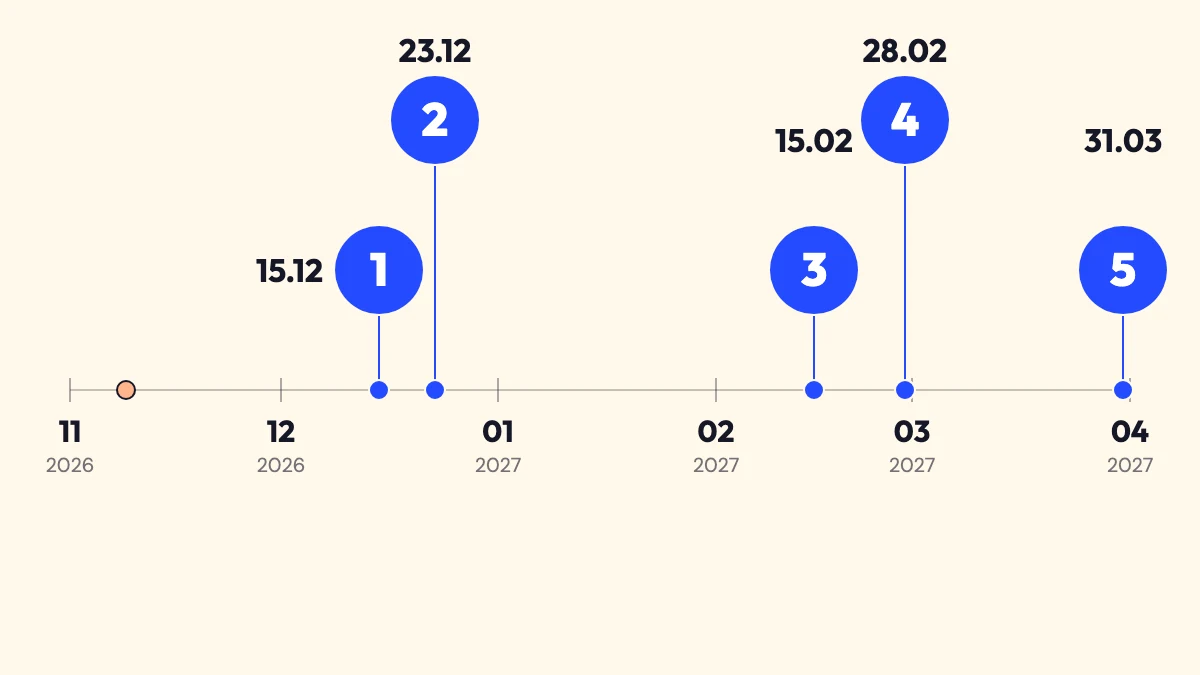
| No. | Festival | Deadline | Route for anime | Know before you enter |
|---|---|---|---|---|
| 1 | Flick AI Film Festival | 15 December 2026 | AI Animation, at any length; AI Vertical Drama for 9:16 | Free and online. English subtitles and a public social post with the festival watermark. |
| 2 | OMNI TOKYO 2027 | 23 December 2026 | An anime category beside short film and advertising | Entries open in mid-November. Screening in Tokyo on 16 January 2027. |
| 3 | WAIFF Cannes | 15 February 2027 | Animated films are eligible in the competition | Some countries must enter a local edition. Final in Cannes on 6 and 7 April 2027. |
| 4 | Japan-China International Animation AI Film Festival | 28 February 2027 | Four categories by length, from under 1 minute to 60 minutes or more | Works finished in or after May 2025, vertical or horizontal. Festival from 28 to 30 May 2027. |
| 5 | Sapporo International AI Film Festival | 31 March 2027 | One category that includes animation, 3 to 15 minutes, 16:9 | Entries open in December, 10 dollars, content suitable for all ages. |
The rules are on the organizers’ pages: Flick, OMNI TOKYO, WAIFF Cannes, the Japan-China festival and Sapporo. Dates can move, and Sapporo says its outline may still change, so read the current page on the day you submit.
What the juries say they reward
- Story comes first almost everywhere. Sapporo says which AI you used is not the subject of the judging, and OMNI TOKYO says it looks at script, direction, editing and sound rather than at the use of AI.
- Consistency is named directly. In its animation category Flick weighs characters that keep their design from shot to shot and motion that feels directed, and Sapporo counts how well you control broken images and inconsistent characters.
- Vertical has to be vertical. Flick weighs whether a vertical drama was built for the tall frame or only cropped into it.
- Originality and rights are conditions of entry. WAIFF requires original works that respect intellectual property and refuses deepfakes of identifiable people.
Match the film to the category
A festival rewards a film that fits its frame. Animey plans episodes of 1, 3, 5 or 10 minutes, and those lengths map onto the categories above. A one-minute episode suits Flick’s animation category or the Japan-China category from 1 to under 10 minutes; three minutes or more is the entry point for Sapporo. For the Japan-China category under one minute, a single strong scene is enough, as this reel shows.
How to prepare an entry
- Write one idea you can say in a sentence, then cut everything that does not serve it. A short film rarely needs more than two characters and one or two places.
- Keep to original characters. Animey refuses real people and existing franchises, which also keeps you inside the festivals’ rights rules.
- Approve a reference sheet for every character before you write scenes: consistency is what these juries say they notice.
- Choose the frame on the first day. Sapporo asks for 16:9; a vertical drama should be drawn upright from the start.
- Render at 1080p and burn in English subtitles if the film is in another language: Flick and WAIFF both ask for them, and WAIFF wants them inside the video.
- Keep a production journal as you go. WAIFF asks for one in its feature category, and Flick asks you to list your tools. Which model made each shot, and what you changed by hand, is easiest to write down at the time.
- Render on a paid plan. Trial renders carry a small watermark, and a festival entry should not.
If you have never made one, start with the one-afternoon guide: a finished minute teaches more than a planned ten, and 15 December is close enough to make it worth starting now.
Questions this answers
- Can you submit AI anime to film festivals?
- Yes. Flick, OMNI TOKYO, WAIFF, the Japan-China International Animation AI Film Festival and Sapporo all accept AI-made animation in their 2026–27 editions, each with its own rules on length, format and country.
- What is the next deadline for AI animation festivals?
- Among the five we checked on 9 November 2026, the first is the Flick AI Film Festival on 15 December 2026, followed by OMNI TOKYO on 23 December 2026.
- Do AI film festivals accept vertical anime?
- Some do. Flick has an AI Vertical Drama category for 9:16, and the Japan-China festival accepts vertical and horizontal works in all four categories. Sapporo asks for 16:9.
- How long should an AI anime festival entry be?
- Follow the category. The Japan-China festival has a category under one minute, Flick’s animation category accepts any length, and Sapporo asks for 3 to 15 minutes.
Start your own series
Describe your world, cast your characters and plan your first episode, scene by scene.
Start free