Explainers
Anime art styles explained, in generic terms
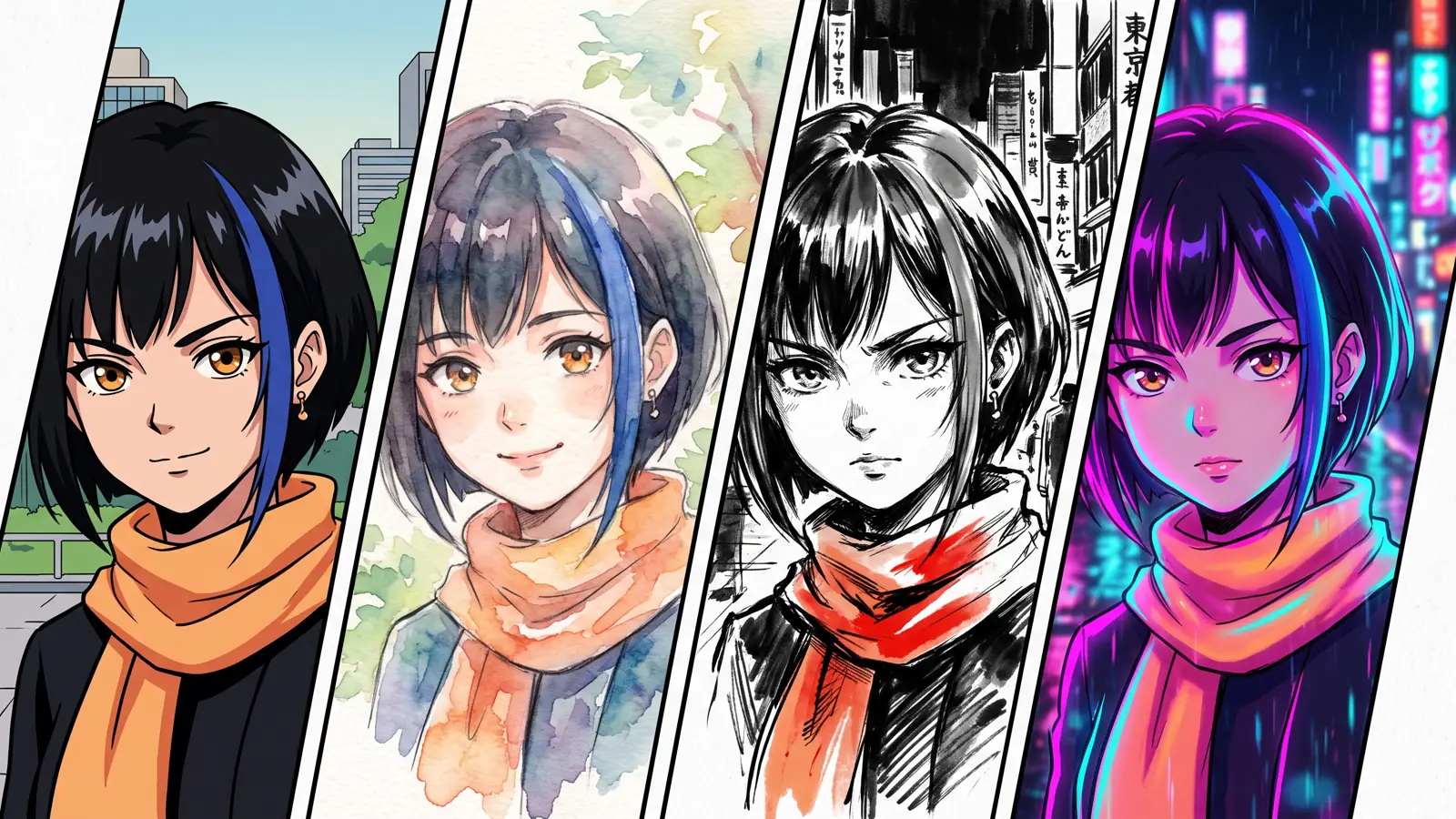
Anime is not one style but a family of drawing choices: how heavy the lines are, how shadows are painted, how saturated the palette is and how light behaves. Animey offers eight generic presets built from those choices, from classic cel to storybook, and none of them names or imitates a studio, an artist or an existing show.
By the Animey team5 min read
When people say “anime style”, they usually mean a handful of craft decisions that repeat across very different shows. This explainer names those decisions in plain terms and describes the eight style presets of Animey, an AI anime studio by Softforge Digital, as they are written in October 2026. It never points to a studio, an artist or a title, and neither does the product.
The four choices behind any style
- Line: thick or thin, even or varied, clean or sketchy, inked in black, in color, or not at all.
- Shading: flat cel shading with one or two tones per surface, soft gradients, painted texture, or none.
- Palette: how many colors, how saturated they are, and which one leads.
- Light and texture: bright or moody, glow and halation, film grain, paper, rain reflections.
Proportions matter too: large heads on simple bodies read as cute and comic, long limbs and small faces as dramatic. A preset fixes all of these for a whole series, which is why you choose it once, when you create the series.
The eight presets
| Preset | What it looks like | What it suits |
|---|---|---|
| Classic cel | Flat cel shading with two tones per surface, bold clean ink outlines, painted backgrounds, a light film grain | Adventure, comedy and action with a hand-made feel |
| Modern digital | Thin clean lines, soft gradient shading, bright high-key light with a gentle glow, detailed backgrounds | Contemporary drama, slice of life, science fiction |
| Watercolor | Visible paper texture, soft edges, colors bleeding into each other, a light pencil under-drawing, airy pastel light | Gentle stories, memories, nature |
| Ink wash | Monochrome brush strokes in black and grey ink on rice paper, generous empty space, a single red accent | Legends, historical tales, quiet tension |
| Chibi | Large heads and eyes on small simplified bodies, rounded shapes, thick soft outlines, pastel colors | Comedy, all-ages series, short gags |
| Retro OVA | A muted, slightly faded palette, a soft glow around highlights, detailed hand-drawn shading lines, a subtle letterbox | Mystery, mecha and thrillers with a vintage mood |
| Neon city | Deep night blues, saturated blue and magenta light sources, wet streets with rain reflections, strong rim light | Night-time science fiction, crime and thrillers |
| Storybook | Flat simple shapes, a palette of five colors, visible outlines, a gentle paper grain, picture-book composition | Fables, children’s stories, cozy fantasy |
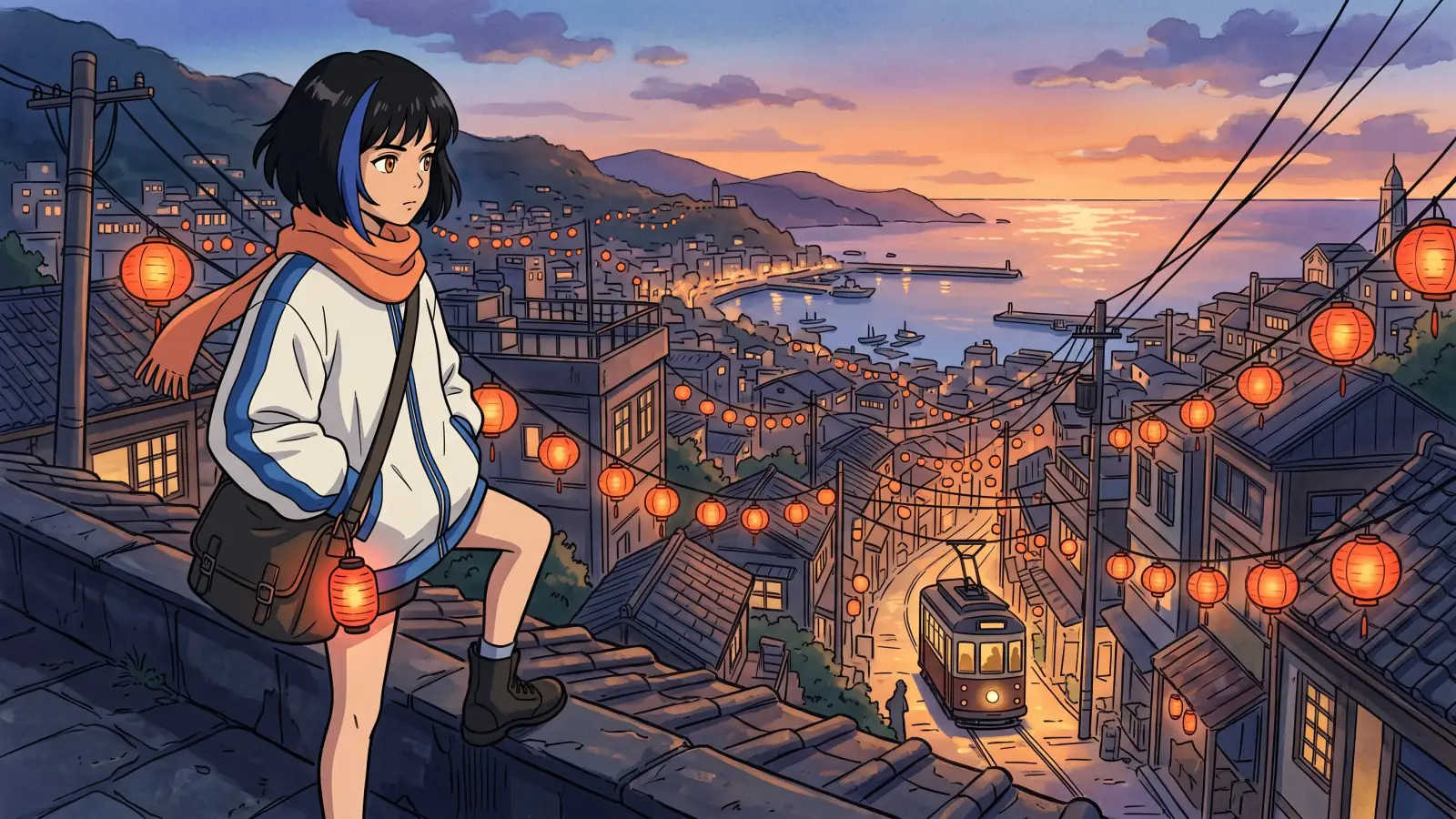
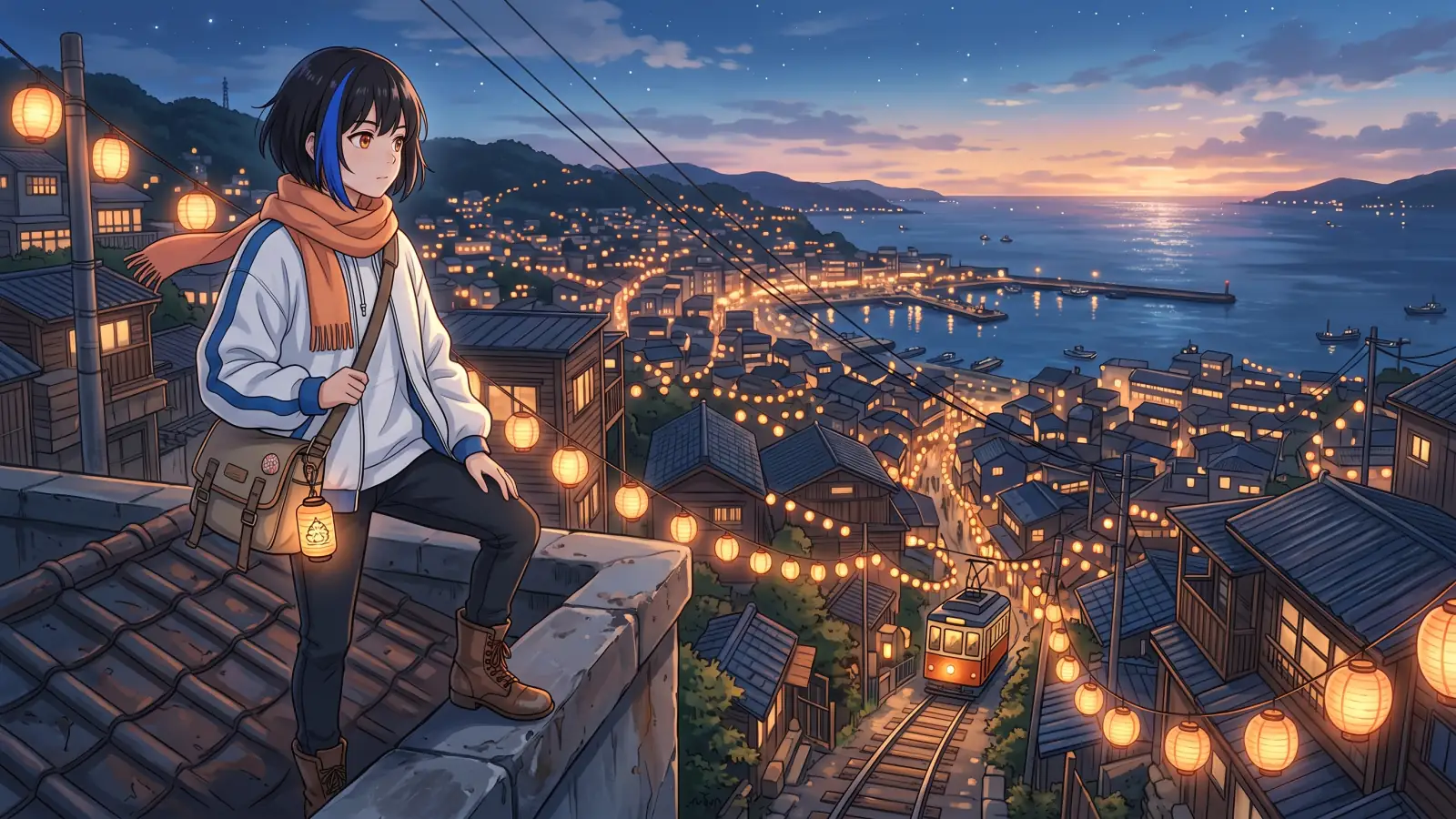
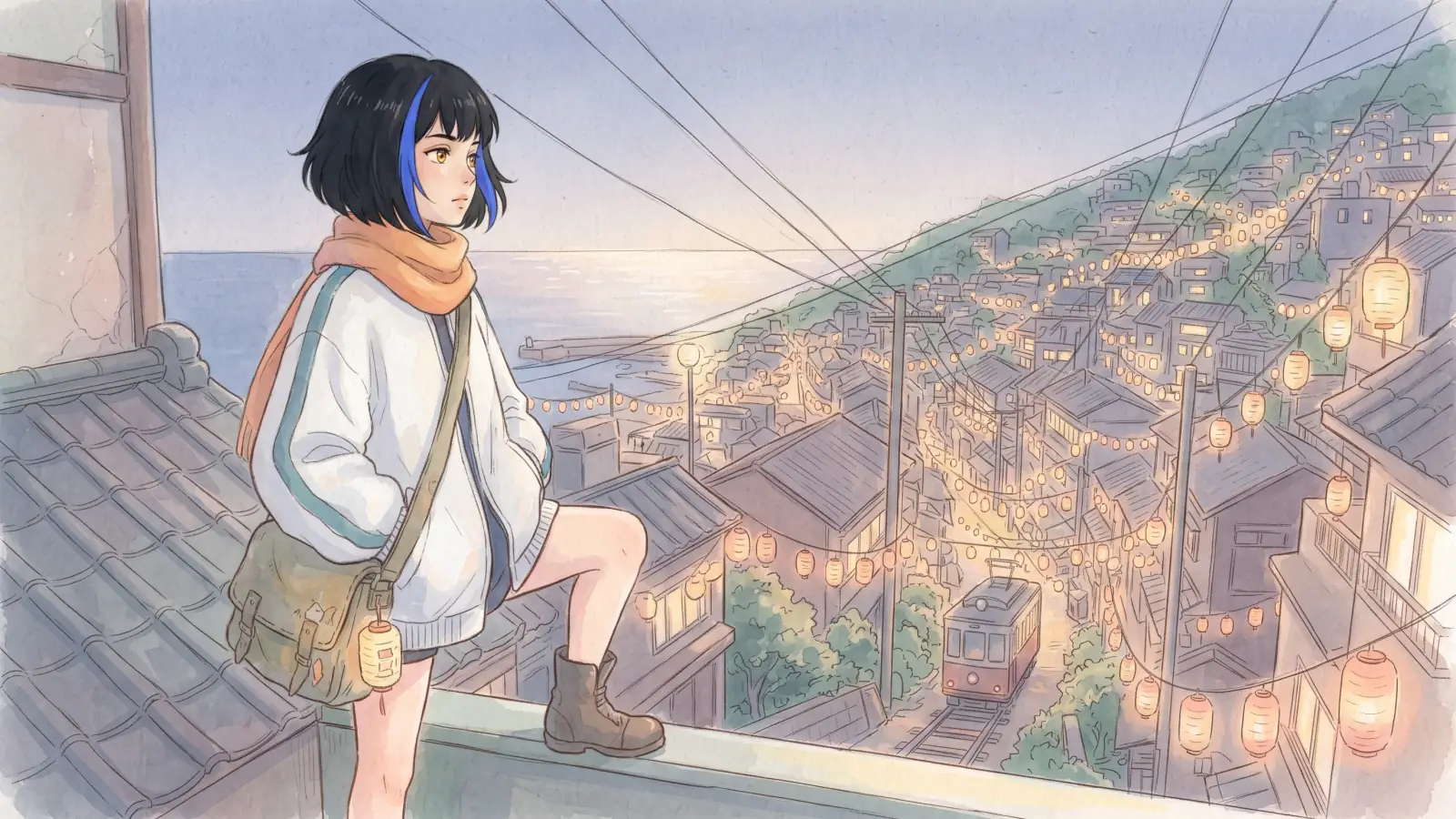
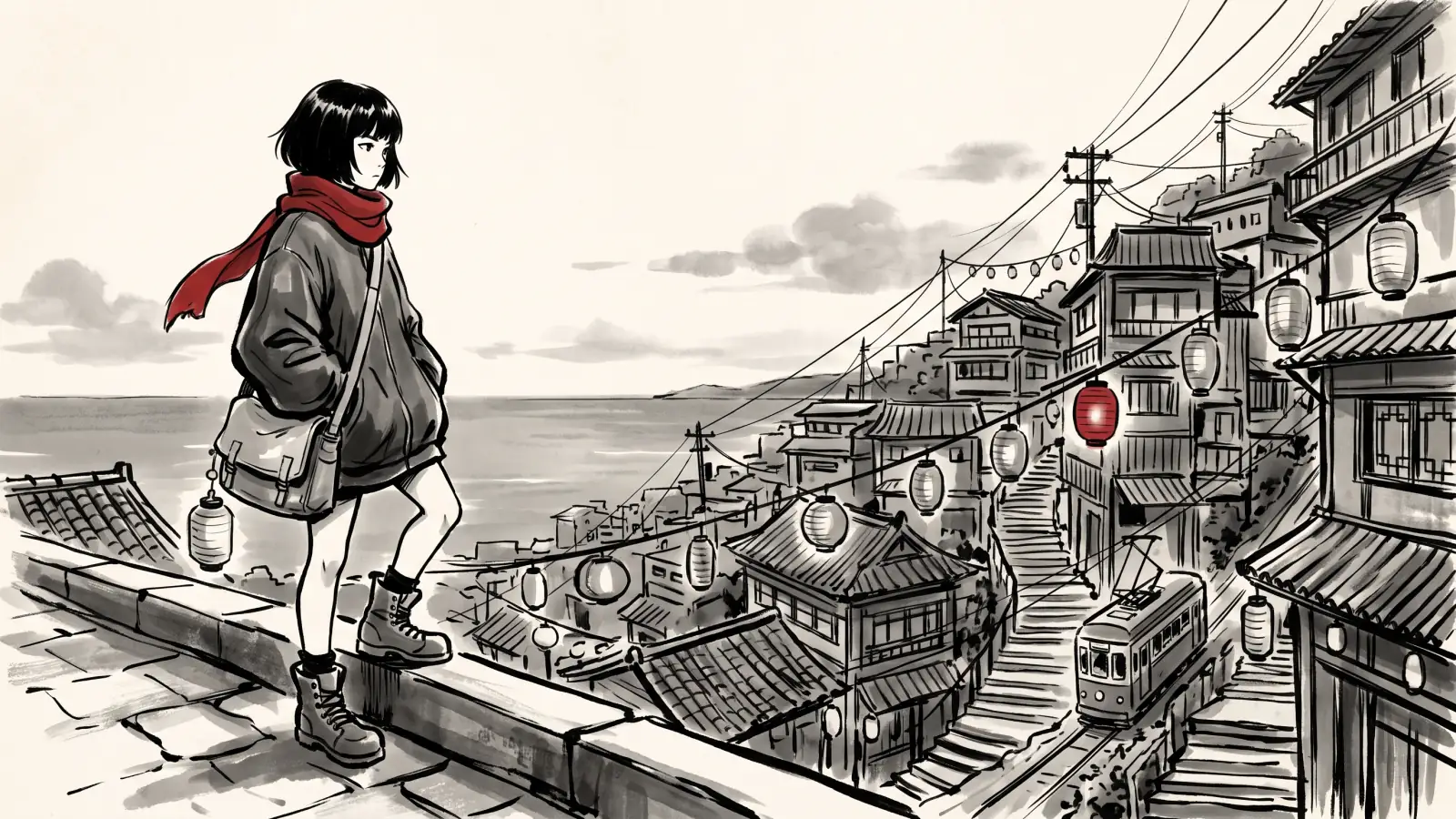
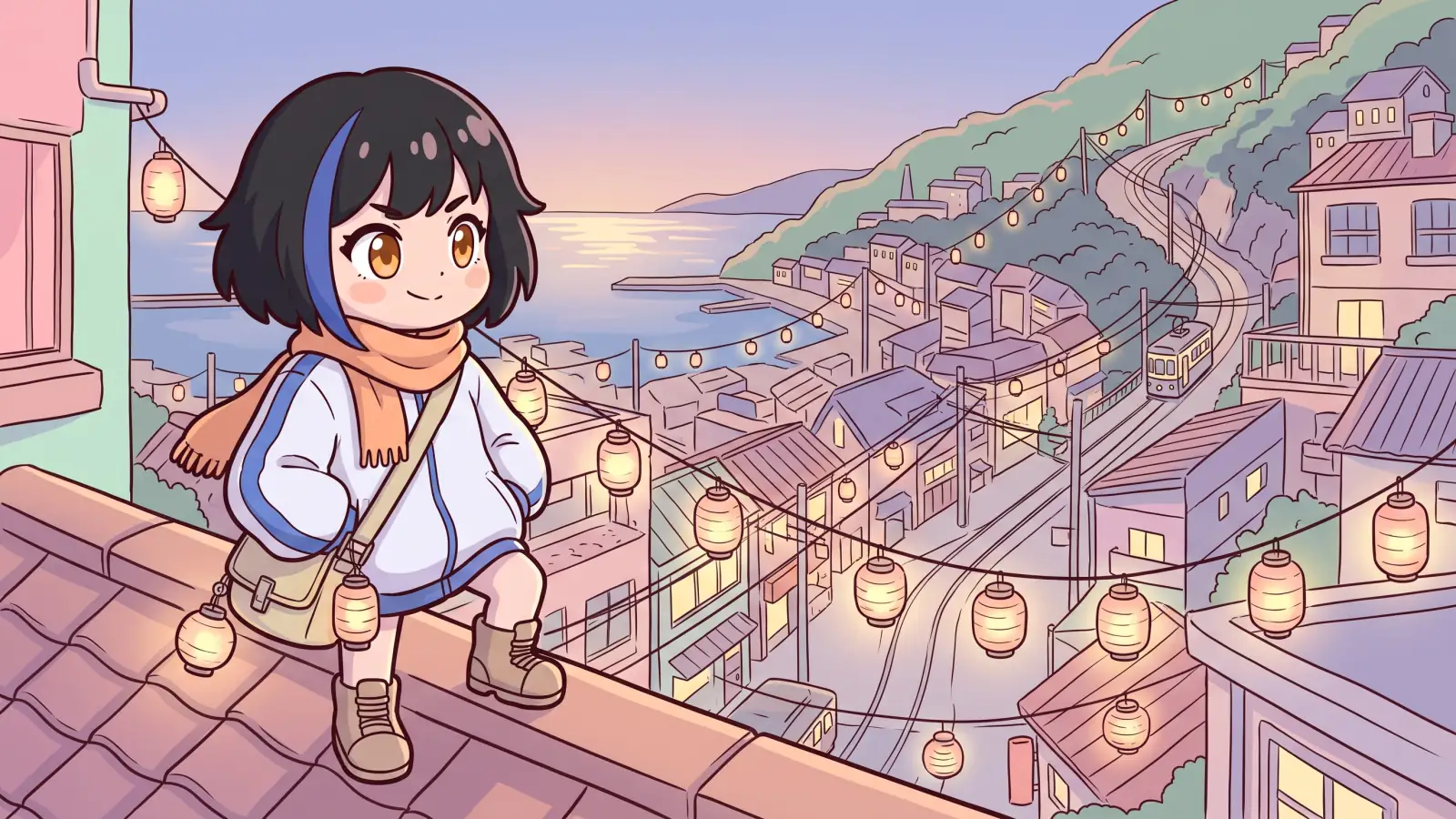
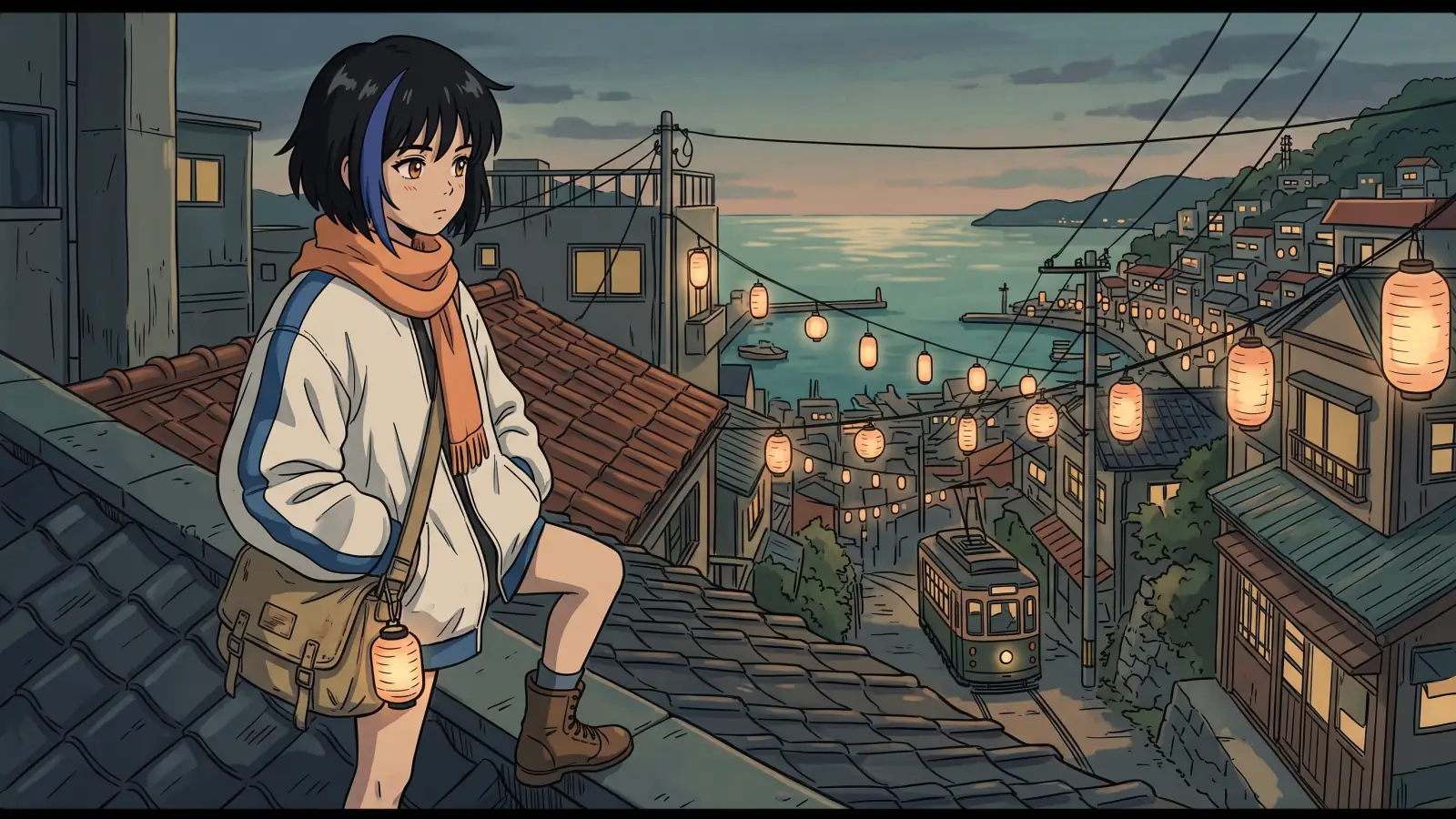
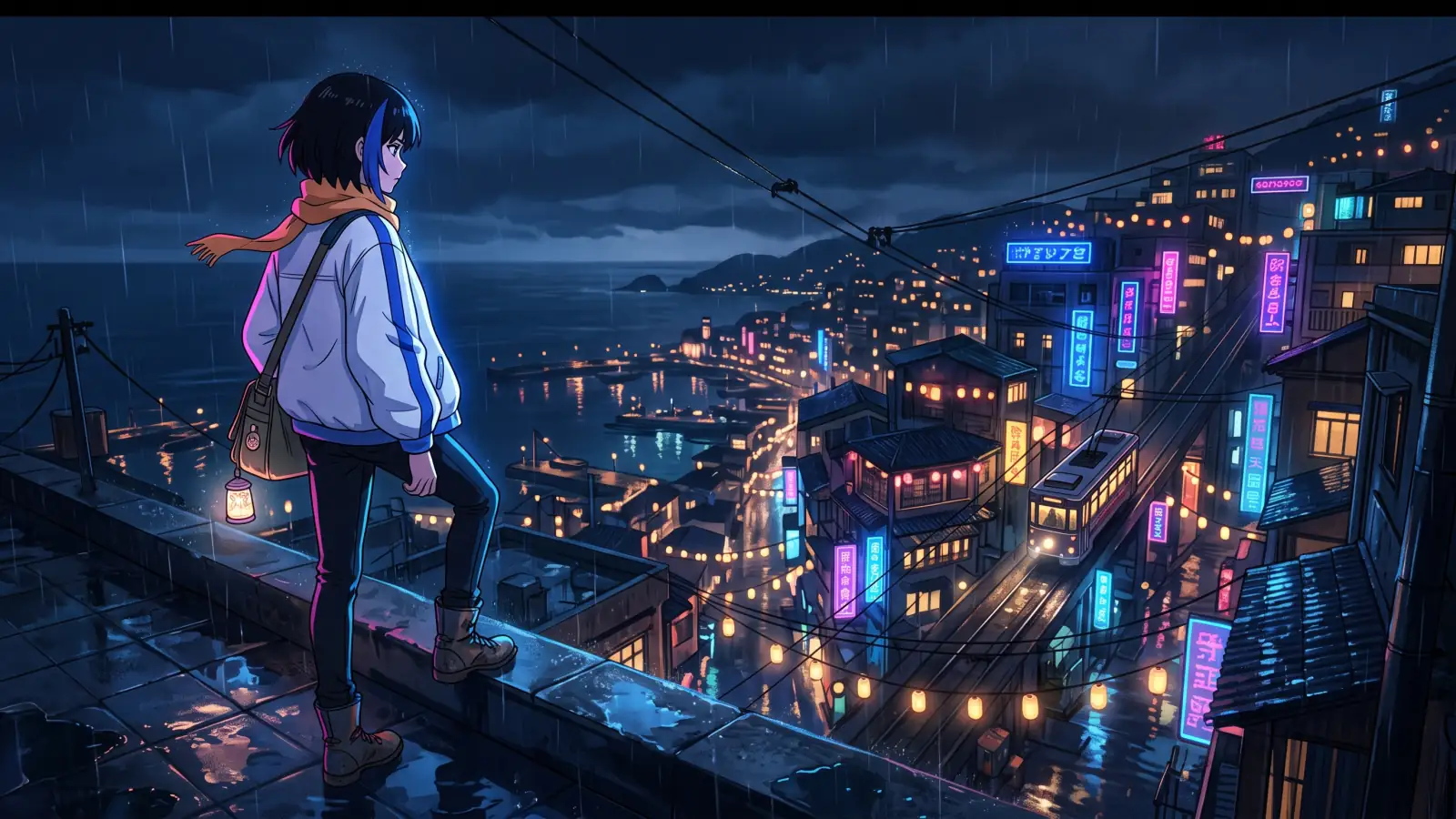
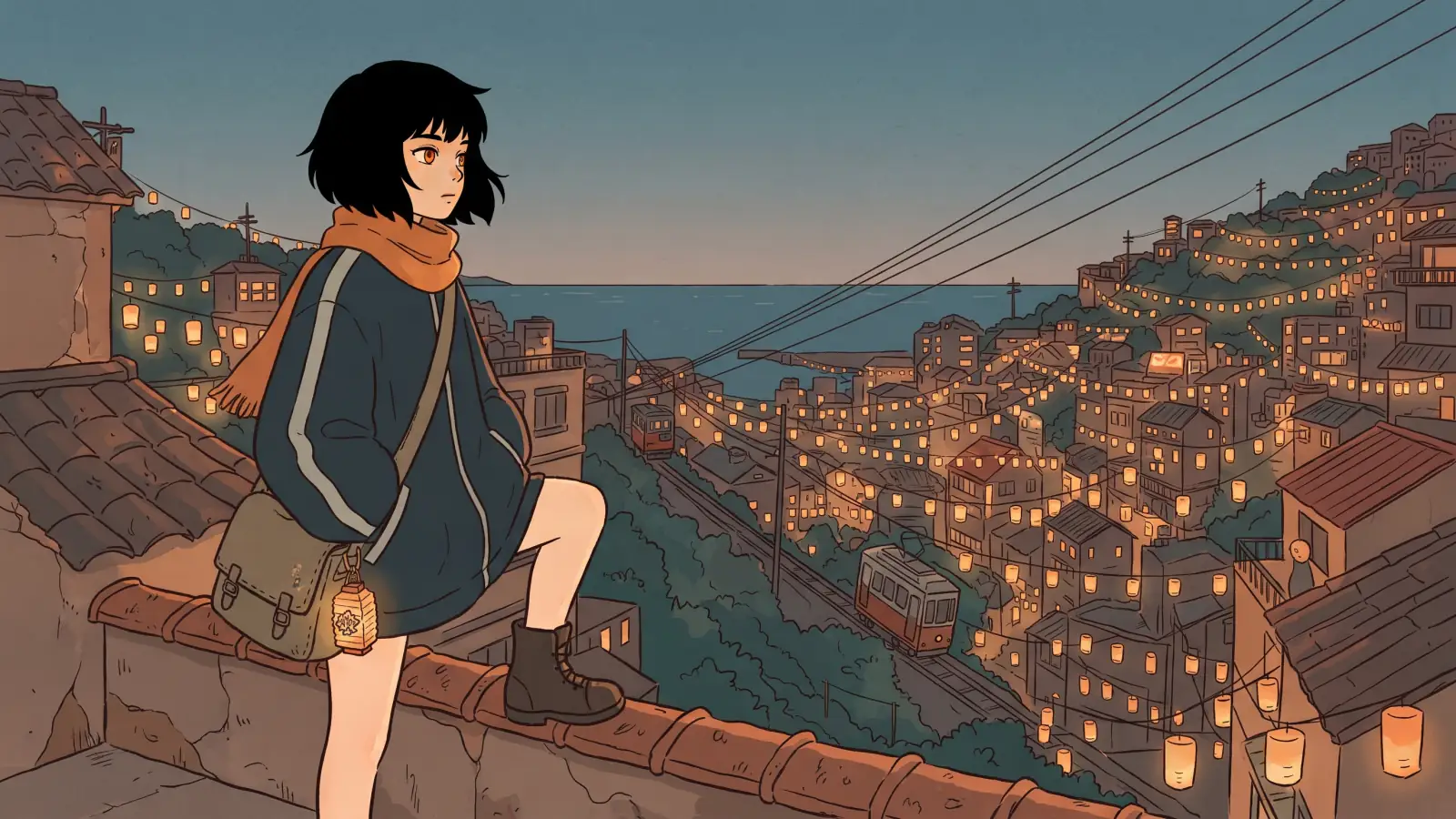
OVA stands for original video animation, the direct-to-video format whose muted colors and analog softness the retro preset recalls. The descriptions above are the texts the presets send to the image models, lightly shortened; the right-hand column is our advice, not a rule.
How a preset becomes your series’ look
Each preset is two short texts: a description of the look and a list of what the style must never contain, such as photorealism, 3D rendering, text or watermarks. When you create a series, Animey draws a style card from them, one sample frame in the preset’s own palette. Once you approve it, the card is sent as a reference image with every character sheet, location plate and keyframe, and the preset’s text goes into every drawing prompt.
You can change the style later, but it is a real change: Animey draws a new style card, and every character has to be drawn and approved again against it. Nothing already rendered changes, and nothing switches style behind your back.
Why the presets are generic
A style described by its craft belongs to everyone; a style described by a name belongs to someone. Animey’s presets never name or imitate a studio, an artist, a franchise or a character, and the moderation that checks every prompt refuses a request for the look of a named studio, artist or show. The same rule covers what you write in a series bible, a script or a keyframe prompt, and what you may and may not create explains why.
How to choose
- Start from the mood, not the genre: the same mystery feels cozy in storybook and tense in retro OVA.
- Check the palette against your locations: neon city needs night scenes to shine, and watercolor loses its softness in dark interiors.
- Think of the audience: chibi and storybook read naturally for all ages, ink wash and retro OVA suit older viewers, and every preset works with either rating.
- Look hard at the style card before you cast: once characters are approved against it, a style change means drawing them again.
Published after launch. We will measure this on real episodes and add the figure here, with its date.
Source: Animey usage data, first quarter after launch
The style decides the look of the show; the reference sheets keep each character inside it from the first shot to the last.
Questions this answers
- What are the main anime art styles?
- Described by craft rather than by name, common anime looks include flat cel shading with bold outlines, soft digital shading, watercolor, monochrome ink wash, chibi proportions, a muted retro home-video look, neon-lit night scenes and flat storybook shapes. Animey offers these eight as presets.
- Can I ask for the style of a specific studio or artist?
- No. Animey’s presets are generic, and prompts that ask for the style of a named studio, artist or show are refused. Describe the look you want in terms of line, shading, palette and light instead.
- Can I change the art style of a series later?
- Yes, but Animey then draws a new style card, and every character has to be drawn and approved again against it. Episodes that are already rendered do not change.
- Which art style is best for a first series?
- The one that matches the mood of your story. Classic cel and modern digital are the most versatile, chibi and storybook suit comedy and all-ages stories, and neon city suits night-time thrillers.
Start your own series
Describe your world, cast your characters and plan your first episode, scene by scene.
Start free