Explainers
Kling 4.0 for anime: we tested it against Kling 3.0, Seedance 2.0, Wan 2.7 and MiniMax H3
From the same anime keyframe and prompt, Kling 4.0 acted the beat most clearly, a downward glance then a warm smile with a steady push-in, and kept the character on model. MiniMax H3, which Animey runs in production, stayed closest to the original drawing, Seedance 2.0 moved the camera most, Kling 3.0 was the gentlest, and Wan 2.7 opened her mouth although the prompt asked for no speech.
By the Animey team5 min read
Kuaishou released Kling 4.0 worldwide in October 2026, and every AI video channel compared it on realistic footage. We wanted to know something narrower: what it does with a drawn anime character. This post sets it against the models we know best, including the one Animey, an AI anime studio by Softforge Digital, uses for its episodes as of October 2026.
What is new in Kling 4.0
| Feature | Kling 3.0 | Kling 4.0 |
|---|---|---|
| Clip length in one pass | 3 to 15 seconds | 3 to 30 seconds |
| Reference images | Up to 7 | Up to 10, and up to 15 assets in total |
| Keyframes | Start and end frame | Up to 10 keyframe images |
| Audio | Mono | Stereo |
| Dynamic range | 8-bit | 10-bit HDR announced |
The figures come from Kling’s Kling 4.0 vs 3.0 page and its feature page, which also lists extension up to two minutes. Some of them, 4K and HDR in particular, were still marked as coming soon when we tested.
The test
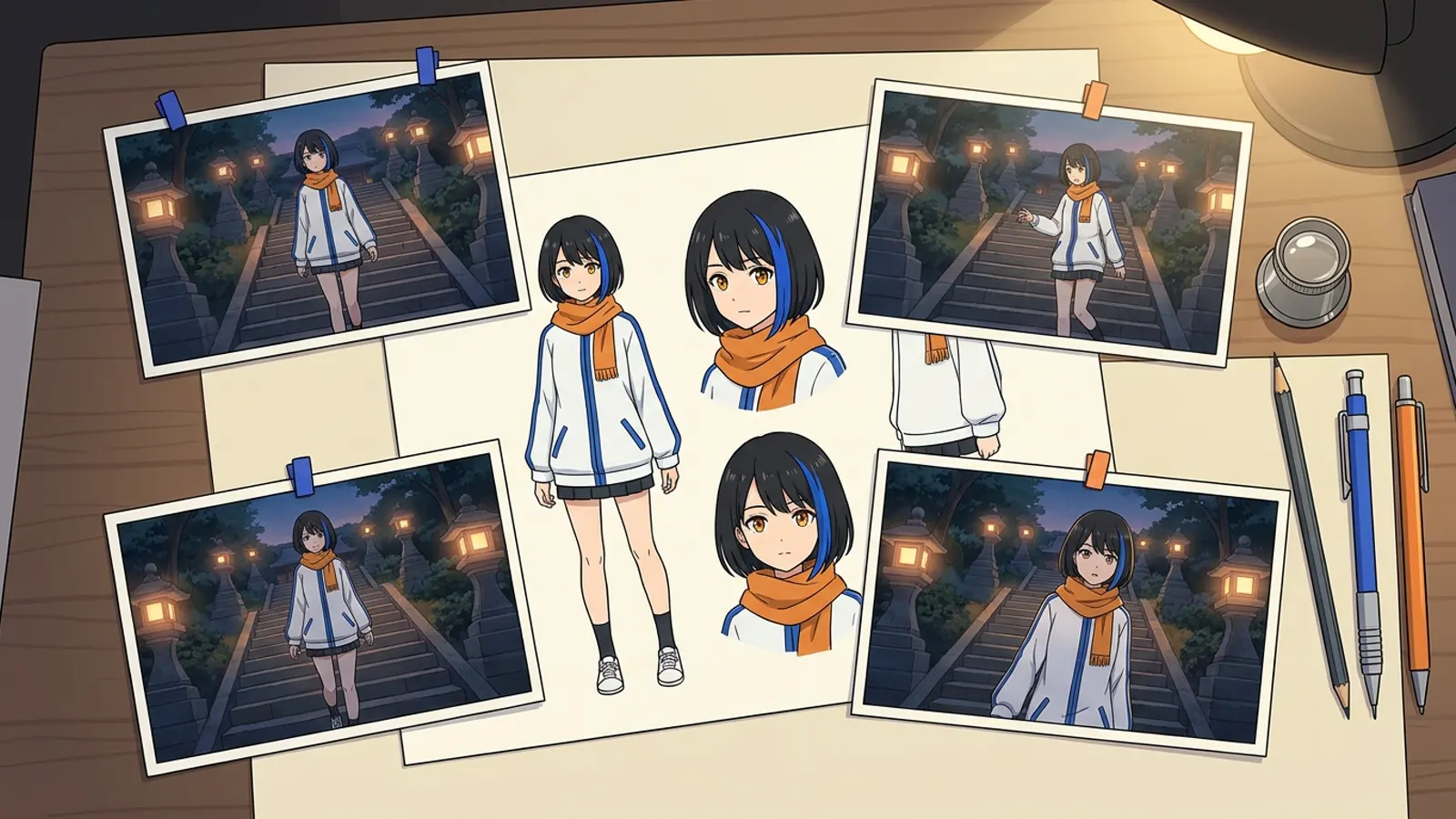
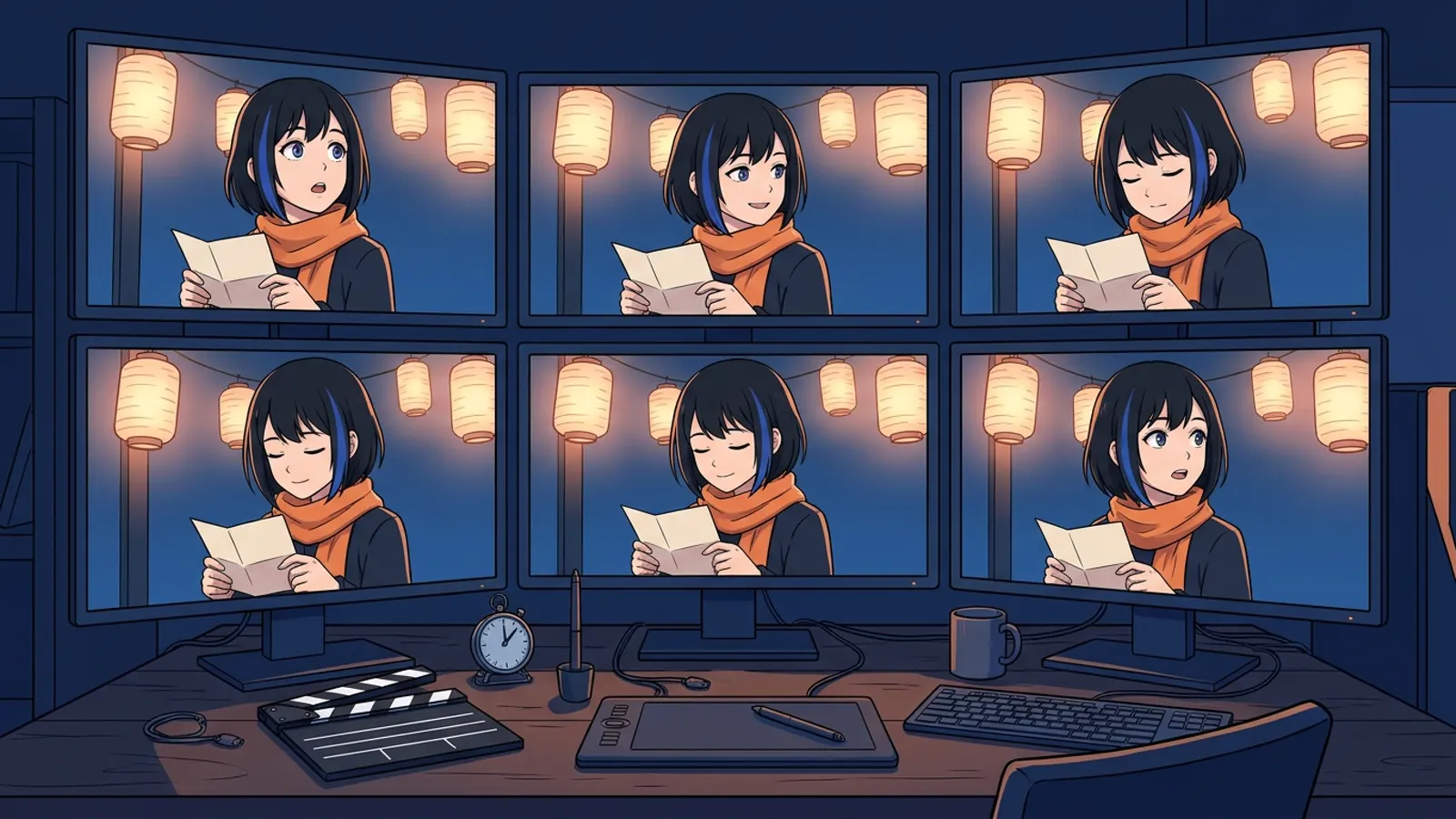
One keyframe from Animey’s example series: Mira, holding a letter under paper lanterns at dusk. One prompt for every model: keep the drawing style, face, hair and outfit exactly; she lowers her eyes to the letter, then looks up at the camera and smiles; the lanterns sway and her scarf moves; one slow push-in; no speech. Five seconds each, at 720p, or 768p for MiniMax H3, from the keyframe as the first frame.
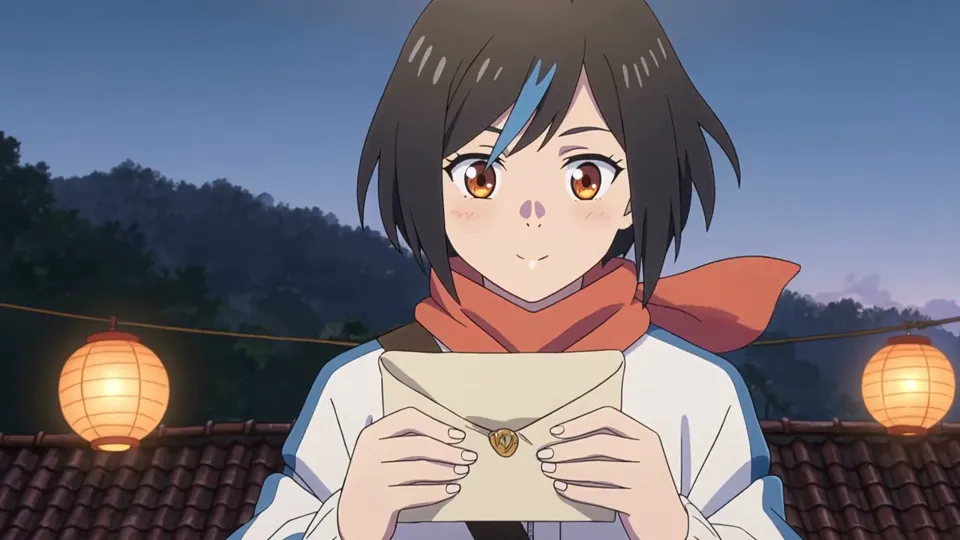
Kling 4.0
Kling 4.0 read the prompt as a small performance with a beginning and an end. The face stayed on model through the push-in and the line work stayed clean. It was also the only take with a clearly audible soundtrack, which we had not asked for and an editor would replace.
Kling 3.0
Seedance 2.0
Wan 2.7
MiniMax H3 Max
Where each take ended
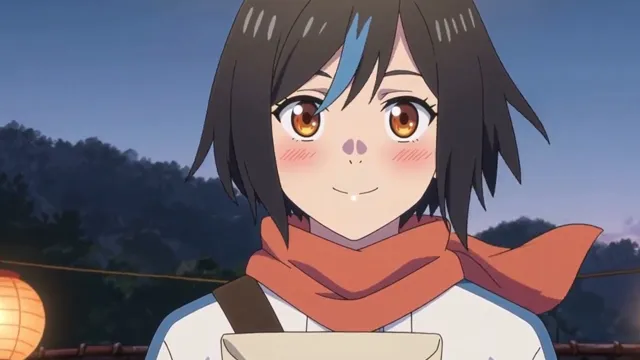

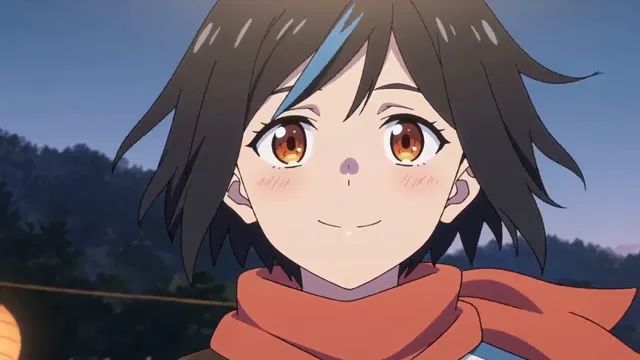


The last frame matters more than it looks. In an Animey Advanced episode, the next shot can continue from the final frame of the previous take, so any drift at the end of a clip is carried into the next one.
What we take from it
| Model | Acting | Camera | Fidelity to the drawing |
|---|---|---|---|
| Kling 4.0 | Clearest beat, eyes down then a smile | Steady push-in | High |
| Kling 3.0 | Gentle, small | Slight | High |
| Seedance 2.0 | Lively | Strongest push-in | Good, eyes restyled |
| Wan 2.7 | Opened her mouth unprompted | Strong | Good |
| MiniMax H3 Max | Restrained | Slight | Highest |
- From a good keyframe, every current model keeps an anime character recognizable. The keyframe does most of the consistency work, which is why we draw and approve it first; our image model test shows how.
- Animey animates episodes with MiniMax H3 because it stays closest to the approved drawing and speaks inside the time windows our Strict Scripted dialogue needs, as the lip-sync post explains.
- Kling 4.0 is the most interesting newcomer for anime: the best acting in this test, and 30-second takes would let one shot hold a whole exchange. We are testing it before it becomes a route in Animey.
For the broader landscape of tools, see the comparison of AI anime generators.
Questions this answers
- Is Kling 4.0 good for anime?
- In our test it was: from a drawn anime keyframe it kept the character on model and acted the prompt more clearly than the other four models. One take is a sample, so test it on your own characters.
- What is new in Kling 4.0 compared with Kling 3.0?
- According to Kling, clips of up to 30 seconds in one pass instead of 15, up to 10 reference images and 10 keyframes, stereo audio, and announced 10-bit HDR and 4K output.
- Does Animey use Kling 4.0?
- Not yet. Animey animates episodes with MiniMax H3, which stayed closest to the approved drawing in our tests. We are testing Kling 4.0, especially for longer shots.
- Which AI video model keeps anime characters most consistent?
- The keyframe matters more than the model: every model we tested kept the character recognizable from a good keyframe. Among them, MiniMax H3 stayed closest to the original line work and colors.
Start your own series
Describe your world, cast your characters and plan your first episode, scene by scene.
Start free